
muhammedrameesc.com

Author name: muhammed ramees

social media marketing
Uncategorized

How Social Media Marketing Converts Engagement into Sales 2026

1. Introduction: The Business Case for Social Media Marketing Many brands measure success on social platforms by counting followers and likes. However, visibility alone does not guarantee revenue. Although high engagement can increase brand awareness, it must connect directly to business goals. Therefore, companies must treat social media marketing as a structured growth channel rather than a popularity contest. When executed strategically, social media marketing drives measurable sales. Instead of chasing vanity metrics, businesses can design campaigns that guide audiences from discovery to purchase. As a result, social platforms become powerful revenue engines rather than passive communication tools. 2. Defining Clear Objectives Before Posting Before creating content, businesses must define clear objectives. Without direction, even consistent posting fails to produce results. Therefore, organizations should decide whether they aim to generate leads, increase website traffic, or boost product sales. Once objectives are established, every content piece should support those goals. For example, promotional posts can drive conversions, while educational posts build trust. Consequently, structured planning ensures that social activity directly supports revenue growth. 3. Understanding Audience Behavior Effective social media marketing begins with audience insight. Businesses must understand who their customers are, what they value, and how they interact online. By analyzing demographics and engagement patterns, marketers can craft relevant messages. Furthermore, personalization increases connection. When users feel understood, they engage more actively. As engagement strengthens, the probability of conversion rises. Therefore, knowing the audience transforms generic posts into persuasive communication. 4. Creating Content That Builds Trust Trust is the foundation of digital sales. Although promotional posts generate awareness, educational and value-driven content builds credibility. For this reason, brands should share insights, case studies, and customer success stories. Additionally, consistent tone and transparency strengthen brand identity. When followers perceive authenticity, they respond positively. Consequently, trust shortens the decision-making process and encourages purchases. 5. Leveraging Paid Campaigns for Targeted Reach Organic reach alone may not be sufficient in competitive markets. Therefore, paid social campaigns play a crucial role in scaling results. Targeted advertisements allow businesses to reach specific audience segments based on interests, behavior, and demographics. Moreover, continuous optimization improves performance. By testing different creatives and refining audience settings, companies can reduce acquisition costs while increasing conversions. As a result, paid campaigns deliver measurable return on investment. 6. Guiding Users Through a Structured Funnel Social platforms attract attention, but structured funnels convert attention into sales. Businesses should design a clear journey—from awareness to consideration to action. For instance, an informative post can lead to a landing page, which then encourages email sign-ups or purchases. In addition, retargeting campaigns reinforce messaging. When users see consistent reminders, they are more likely to complete transactions. Therefore, funnel-based planning ensures that engagement translates into revenue. 7. Measuring Performance Beyond Likes While engagement metrics provide useful insights, they do not fully represent business impact. Companies must track deeper indicators such as click-through rates, conversion rates, and customer acquisition costs. By evaluating these metrics, marketers gain clarity about campaign effectiveness. Data-driven decisions reduce guesswork and increase profitability. Consequently, social media marketing evolves from experimental activity into a strategic growth channel. 8. Building Long-Term Customer Relationships Social media is not only a sales tool but also a relationship platform. After the initial purchase, brands should continue engaging customers through valuable updates and interactive content. Ongoing communication fosters loyalty. Furthermore, satisfied customers often share positive experiences publicly. These testimonials attract new prospects and strengthen brand credibility. As a result, consistent engagement generates repeat business and referrals. 9. Maintaining Consistency and Brand Identity Consistency reinforces recognition. When visual elements, messaging, and tone remain aligned across posts, audiences develop familiarity. This familiarity increases trust and encourages repeated interaction. In addition, regular posting maintains visibility in competitive feeds. Although frequency alone does not guarantee success, structured consistency sustains audience interest. Therefore, disciplined execution supports long-term growth. 10. Conclusion: Transforming Engagement into Measurable Growth Social media marketing, when approached strategically, extends far beyond collecting followers. It offers a direct pathway to revenue through targeted communication, persuasive content, and structured funnels. By defining objectives, understanding audiences, optimizing campaigns, and analyzing performance data, businesses can convert engagement into real sales. Ultimately, social platforms become not just communication channels but consistent drivers of measurable growth.


Uncategorized

How Freelance Digital Marketing Services Drive Real Sales, Not Just Traffic

1. Introduction: Moving Beyond Vanity Metrics Many businesses celebrate rising website traffic as a sign of success. However, traffic alone does not sustain a company. While visibility matters, revenue ultimately determines growth and stability. Therefore, organizations must look beyond surface-level metrics and focus on meaningful outcomes. Freelance digital marketing services help bridge the gap between online visibility and measurable sales. Instead of concentrating solely on impressions or clicks, an experienced freelance digital marketing expert aligns every campaign with conversion goals. As a result, businesses move from passive online presence to active revenue generation. 2. Strategy Before Execution: The Foundation of Real Results First and foremost, effective marketing begins with strategy. Without a structured plan, even high traffic volumes fail to produce consistent returns. A freelance digital marketing expert typically starts by understanding the client’s target audience, competitive landscape, and revenue objectives. Subsequently, this insight shapes a focused marketing roadmap. Rather than launching random campaigns, the freelancer defines clear goals, selects appropriate channels, and allocates budgets wisely. Consequently, each effort supports long-term growth instead of short-term visibility spikes. 3. Targeting the Right Audience Instead of Everyone Although attracting large audiences may seem appealing, broad targeting often reduces conversion rates. In contrast, freelance digital marketing services prioritize precision. By identifying specific customer segments, freelancers ensure that marketing messages reach individuals who are more likely to purchase. Furthermore, audience research enables personalized communication. When content directly addresses customer pain points, engagement naturally increases. Therefore, instead of chasing traffic from uninterested users, businesses attract qualified leads who move closer to making a decision. 4. Search Engine Optimization with Commercial Intent Search engine optimization plays a vital role in sustainable growth. However, not all keywords generate revenue. Informational searches may increase visits, yet they do not always lead to transactions. For this reason, a skilled freelance digital marketing expert focuses on commercial intent keywords. By targeting queries that signal buying interest, businesses position themselves in front of ready-to-act customers. Additionally, optimized landing pages guide users toward clear next steps. As a result, organic visibility transforms into consistent lead generation and direct sales. 5. Conversion-Focused Website Optimization Even with effective traffic acquisition, poor website experience limits results. Therefore, freelance digital marketing services often include conversion rate optimization. This process involves improving page structure, refining calls-to-action, and simplifying navigation. Moreover, freelancers analyze user behavior to identify friction points. When they remove unnecessary distractions and streamline the purchase journey, visitors feel confident taking action. Consequently, the same traffic volume begins producing significantly higher revenue. 6. Performance Marketing That Prioritizes Return on Investment Paid advertising offers immediate visibility; however, careless spending can quickly exhaust budgets. A freelance digital marketing expert manages campaigns with careful monitoring and ongoing optimization. Instead of maximizing clicks, the primary objective becomes maximizing return on investment. For example, freelancers test multiple ad variations, adjust audience settings, and refine bidding strategies. Over time, data-driven improvements reduce cost per acquisition while increasing profitability. Therefore, paid campaigns evolve from experimental efforts into reliable sales engines. 7. Content That Educates and Persuades Content marketing remains essential in building trust. Nevertheless, content must guide prospects toward action rather than simply inform them. Freelance digital marketing services emphasize value-driven communication that answers questions while subtly encouraging decision-making. In addition, well-structured content builds authority within the industry. When potential customers perceive expertise and credibility, they feel more comfortable investing. Consequently, informative blogs, landing pages, and email campaigns contribute directly to sales growth. 8. Data Analysis and Continuous Improvement Marketing does not end after launching a campaign. Instead, successful freelancers consistently analyze performance data. Metrics such as conversion rate, cost per lead, and customer acquisition cost provide actionable insights. By evaluating this data, a freelance digital marketing expert identifies opportunities for refinement. Campaigns evolve based on real user behavior rather than assumptions. As a result, businesses experience steady improvement rather than unpredictable fluctuations. 9. Building Long-Term Customer Relationships While acquiring new customers remains important, retaining existing clients significantly increases profitability. Therefore, freelance digital marketing services often integrate email marketing, remarketing campaigns, and loyalty strategies. Through consistent communication, businesses maintain engagement even after the initial purchase. Moreover, satisfied customers frequently generate referrals and repeat sales. Consequently, revenue grows through both acquisition and retention. 10. Flexibility and Personalized Attention Unlike large agencies that may handle numerous accounts simultaneously, freelancers typically provide personalized attention. This close collaboration enables faster decision-making and stronger alignment with business goals. Additionally, freelance digital marketing services adapt quickly to market changes. When consumer behavior shifts or competition intensifies, freelancers adjust strategies without bureaucratic delays. As a result, businesses remain agile and competitive. 11. Aligning Marketing with Sales Objectives Ultimately, marketing must support sales teams and revenue targets. A freelance digital marketing expert ensures alignment between promotional efforts and business objectives. Instead of focusing on isolated metrics, the freelancer measures success through tangible outcomes. Furthermore, clear reporting keeps stakeholders informed about progress. Transparent communication strengthens trust and supports data-driven decision-making. Therefore, marketing evolves into a strategic investment rather than a speculative expense. 12. Conclusion: From Visibility to Profitability In conclusion, traffic alone does not guarantee success. Although website visits may indicate awareness, they do not automatically translate into revenue. Therefore, businesses must adopt a results-oriented approach. Freelance digital marketing services provide that direction. Through strategic planning, precise targeting, conversion optimization, and continuous analysis, freelancers transform digital presence into measurable sales performance. When executed thoughtfully, online marketing becomes more than a visibility tool—it becomes a consistent driver of growth and profitability.

Uncategorized

The Psychology Behind Google Search: Why People Click What They Click

Every time someone types a query google search, a silent decision-making process begins. Within seconds, the user scans titles, reads snippets, and chooses one result over the others. It feels quick, almost automatic. But behind that click, there is psychology. Understanding this behavior is important for anyone working online, especially a digital marketing executive who wants to create content that actually attracts attention instead of getting ignored. First Impressions Shape the Click in google search When search results appear, users do not read everything word by word. They scan. Their eyes move quickly across the page looking for relevance. If a title feels clear, specific, and aligned with their need, it immediately stands out. Clarity beats creativity in search results. For example, if someone searches for “how to improve website traffic,” they are looking for direction. A headline that promises a clear benefit feels safer than one that sounds vague. The brain prefers certainty. That sense of clarity increases the chance of a click. The Power of Familiar Words People click what feels familiar. When a title reflects the exact words they just typed, it creates a small moment of recognition. That recognition builds trust. This is not about stuffing phrases everywhere. It is about alignment. When users feel understood, they respond. A skilled digital marketing executive pays attention to search intent, not just search volume. Intent reveals what the person truly wants — information, comparison, or action. Emotion Drives Attention Search behavior may look logical, but emotion plays a big role. Words like “guide,” “easy,” “proven,” or “step-by-step” reduce anxiety. On the other hand, words like “mistakes” or “avoid” trigger curiosity and even fear of missing out. Curiosity is powerful. When a title hints at hidden insight, the brain wants closure. That need for completion often leads to a click. However, there is a fine line. If the content does not deliver what the headline promises, trust breaks. Over time, users learn which sources are reliable. Consistency builds credibility. Social Proof and Authority Signals Even in search results, people look for signals of authority. A recognizable brand name, structured formatting, or clear meta descriptions make a difference. Humans rely on shortcuts when making decisions. If something appears organized and professional, it feels safer. This is why presentation matters as much as information. For a digital marketing executive, this means optimizing not just the article but also the way it appears on the results page. The snippet is often the first conversation with the reader. Simplicity Reduces Friction When users search, they usually want quick solutions. Complicated language creates resistance. Simple wording feels accessible. The brain avoids effort when possible. If a title looks too technical or confusing, people skip it. If it feels straightforward, they explore further. This is especially important in competitive industries. The smallest friction can push a user toward another result. Relevance Over Ranking Being on the first page is important, but relevance wins the click. Users choose what matches their immediate need, not just what ranks highest. Search engines analyze behavior patterns. If people consistently choose a result and stay on the page, that page gains strength. User behavior feeds the algorithm. That is why understanding psychology is not optional. It directly influences visibility. The Human Side of Search At its core, search is about problem-solving. A person has a question. They want clarity, reassurance, or direction. Behind every keyword is a human story. A digital marketing executive who understands this sees beyond data. Instead of chasing numbers alone, they focus on connection. Titles become clearer. Descriptions become more helpful. Content becomes more purposeful. Clicks are not random. They are responses to emotion, clarity, trust, and relevance. When you understand why people click what they click, you stop guessing. You start communicating with intention. And in the crowded world of search results, intention makes all the difference.

Uncategorized

Search engine optimization in 2026: What Still Works After Google’s Latest Algorithm Updates

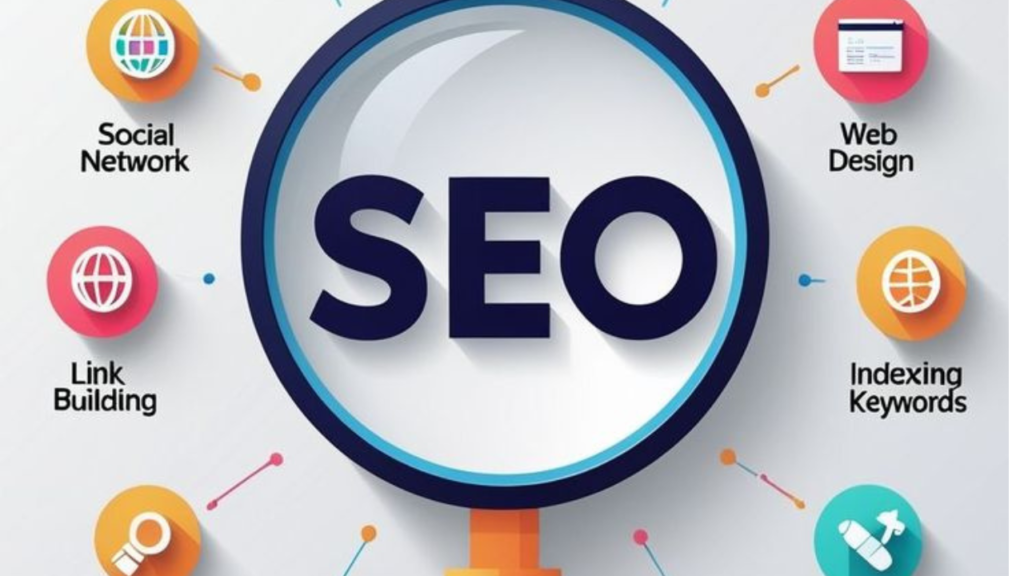
1. Introduction: The Evolving Landscape of Search Search engine optimization has changed dramatically over the years. As algorithms grow smarter, old tricks and shortcuts begin to lose impact. Nevertheless, effective optimisation still drives meaningful visibility and long-term success. In 2026, SEO remains a cornerstone of online growth. However, the emphasis has shifted from tactical manipulation to strategic value. Understanding what works today is essential for anyone who wants sustained digital presence and visibility. 2. Understanding Google’s 2026 Priorities Google’s core mission has always been to deliver the most useful, relevant information for each search query. With the latest updates, this mission has intensified. The algorithm now places greater emphasis on user satisfaction, contextual relevance, and genuine authority. Search behaviour influences algorithmic learning. The system adapts to user interactions, rewarding results that answer intent rather than simply matching keywords. In this environment, content quality and relevance remain at the forefront of optimisation. 3. Content Relevance Still Rules One of the biggest shifts in recent years has been the deeper understanding of semantic context. Google doesn’t just look for exact keyword matches anymore. Instead, it assesses how well content aligns with user intent. For businesses and content creators, this means focusing on thematic depth. Articles, pages, and resources must provide comprehensive answers rather than superficial mentions of phrases. High-value content keeps users engaged, reduces bounce rates, and signals relevance to the algorithm. 4. User Experience as a Ranking Factor While links and keywords are still important, user experience has become non-negotiable. Page performance, ease of navigation, mobile responsiveness, and readability directly influence how users interact with a site. Google tracks user behaviour such as time on page, scroll depth, and interaction patterns. When visitors find value quickly and engage longer, the algorithm interprets this behaviour as positive relevance, which contributes to stronger positioning. 5. Technical SEO Is Not Optional Technical optimisation remains essential in 2026. Issues like slow loading pages, broken links, unclear sitemap structure, and poor mobile display still limit visibility. A site that cannot be crawled or understood by search engines will struggle regardless of how strong its content might be. Simple tasks, such as optimizing metadata, ensuring secure hosting (HTTPS), and cleaning up crawl errors can yield meaningful improvements. For long-term success, technical health should be monitored regularly rather than treated as a one-time project. 6. Topic Clusters and Semantic Relevance Google today evaluates meaning, not just phrases. Topic cluster models help sites emphasize thematic authority. Instead of creating isolated pages filled with random keywords, content should support core subject areas with interconnected resources. This approach helps search engines understand the depth of coverage and relatedness of topics. As a result, sites that build structured content around central themes are more likely to gain authority and visibility in relevant search results. 7. Backlinks That Reflect Trust Backlinks continue to matter in 2026, but not all links carry equal value. Quality trumps quantity. A link from a trusted, relevant authority tells search engines more than dozens of unrelated or low-quality links. Furthermore, links gained naturally — through strong content and industry recognition — send stronger signals than artificially generated link schemes. Search engines have become sophisticated at dismissing manipulative linking practices. 8. Search Intent Guides Every Strategy Understanding search intent — what users actually want when they type a query — remains central to strategic optimisation. Whether users are seeking information, exploring options, or ready to make a purchase, content must meet them at that stage. Pages that match intent satisfy users and increase conversion potential. A deep understanding of intent also helps with content planning, keyword selection, and page structuring—all of which improve performance in search. 9. AI’s Role in Content Planning and Efficiency By 2026, AI tools help marketers research topics, analyze competitive landscapes, and improve workflows. However, human insight remains crucial for adding nuance, credibility, and brand-specific messaging. AI can assist with topics and patterns, but genuine strategy requires human expertise. Unique perspectives, real experience, and audience understanding still differentiate strong optimisation from generic content. 10. Local SEO Continues to Thrive Local visibility remains relevant for businesses of all sizes. Google My Business listings, localized keywords, and customer reviews continue to drive real footfall and online engagement. Today’s updates place more emphasis on user signals such as local search behaviour, review quality, and precise location relevance. For local businesses, maintaining accurate, updated listings and engaging with customers online still yields measurable benefits. 11. Measuring What Matters: Data-Driven Decisions Ranking metrics alone don’t indicate true success. Instead, performance should be evaluated against meaningful outcomes such as conversions, lead quality, revenue growth, and customer engagement. Tools such as search analytics, engagement metrics, and user behaviour tracking help marketers understand what works and what needs refinement. Data literacy remains a valuable skill in an ever-changing SEO environment. 12. Conclusion: What Still Works in 2026 Although Google’s algorithms have evolved significantly, some fundamentals remain constant. Content relevance, user experience, technical health, meaningful links, local signals, and data-driven refinement continue to influence visibility. In the current landscape, strategic optimisation—rather than quick tactics—gives websites a real chance to compete effectively. Search engine optimisation still drives meaningful results when executed with clarity, value, and strategic focus. Search Engine Optimization has changed a lot over the years. What worked five years ago doesn’t necessarily work today. In 2026, SEO is no longer about stuffing keywords into a page or building random backlinks. It’s about trust, relevance, and real value. As a digital marketer, I’ve realized that SEO today is more human than technical. Yes, technical structure still matters. But search engines are now smart enough to understand context, user behavior, and intent. If your content genuinely helps people, you are already halfway there. Ranking on Google is not about targeting high-volume keywords anymore. It’s about understanding why someone is searching. Are they looking for information? A service? A comparison? Or are they ready to buy? When you align your content with user intent, your chances of ranking increase naturally. For example, if someone searches

Scroll to Top